
A study of cacao.
Ciel Bleu, at Hotel Okura Amsterdam, has held two MICHELIN stars for years. We work with them as Research & Development. Their chef de cuisine and I had cooked together years earlier, long before this studio existed. He called when he wanted the desserts to say something. The work is not advice from the side. Every week we cook together for three hours — testing, arguing, planning the next one. It comes off the bench, not out of a document. They cook it and they own it. We are simply very useful to have in the room. Cacao appears here five times — as fruit, as mousse, as white chocolate, as foam and as vinegar. That is what makes it a study.
Scope
Client
Duration
Year
Costed recipes · Written methods and SOPs · Service choreography · Sourcing notes · Training handover
/
01
(01)
Where it started
Some briefs begin in a kitchen. This one began before a holiday: a call with the chef of Ciel Bleu, days before we flew to Mexico. They wanted pastry taken further — a dessert that communicates, and then repeats flawlessly every single service.
He asked for chocolate. Closing an eight-course menu with chocolate is a risk, so we asked why. Because it was the flavour he had loved since he was a boy.
That is when a brief stops being a brief. One rule came with it: it had to taste of chocolate. Not of a hundred other things with chocolate somewhere behind them.
/
02
(02)
We read the brief again
We didn't start cooking. We started reading the brief again, and one line kept coming back — the flavour he had loved since he was a boy. That was the material.
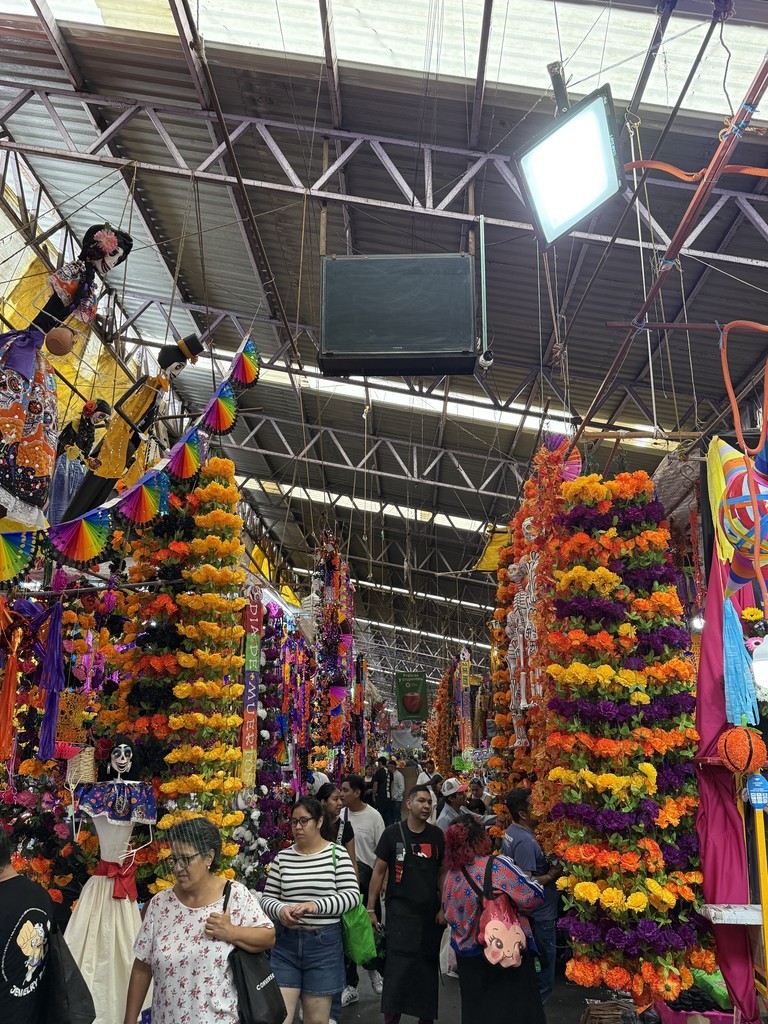
So we turned the question on ourselves: what would chocolate have to mean? Our answer was older than us. Cacao has been part of Mexican heritage since long before Mexico was written down, and that took us to the rosita de cacao — to studying the ingredient instead of decorating it.
This was not research. Our creative director is Mexican, and the rosita de cacao is not something we found — it is something he grew up near.
Then the other answer, the one everyone shares. Someone once made chocolate mousse in front of you, and you put a finger in the bowl. Soft, still warm, not yet cold. That was the taste we were after. So we used a plain mousse — a grandmother's mousse — and made temperature the technique. Served the moment it is made. In a two-star kitchen, that means it was made for you, just now.

/
03
(03)
What we built
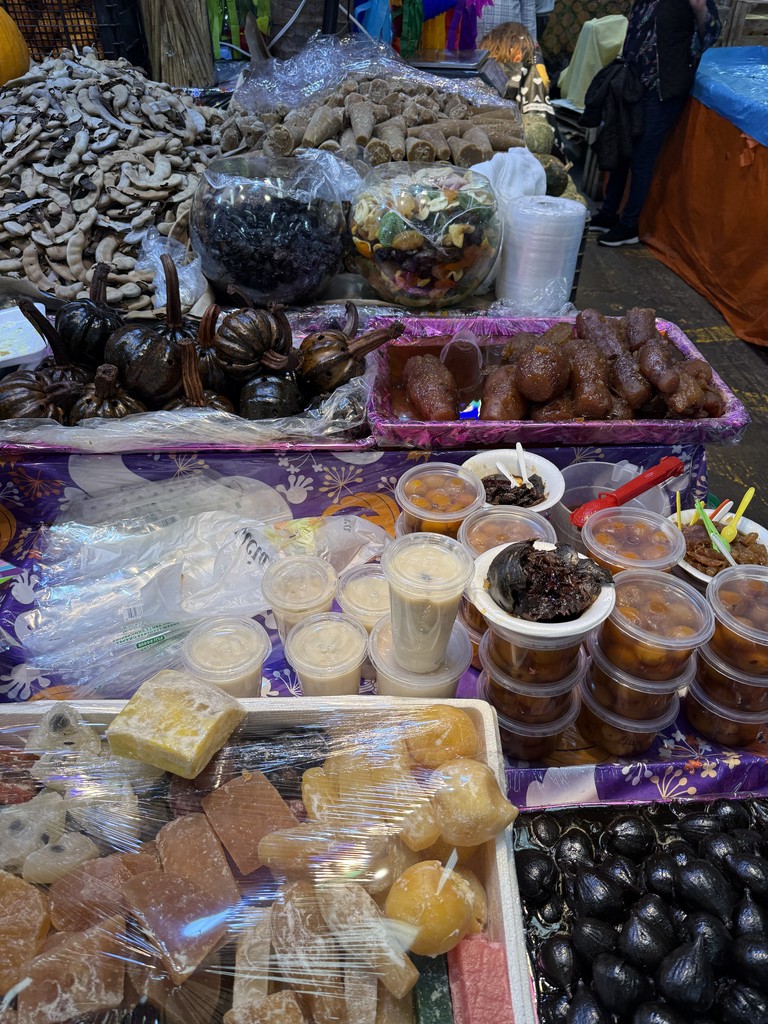
A flavour nobody has tasted cannot arrive on its own. It needs a familiar hand to hold. Ours was white chocolate roasted with corn: new enough to surprise, familiar enough to follow. We call it telepathy — you never leave your chair, and your palate travels.
Cacao vinegar cuts through it, the sharp note that makes you look up from the plate.
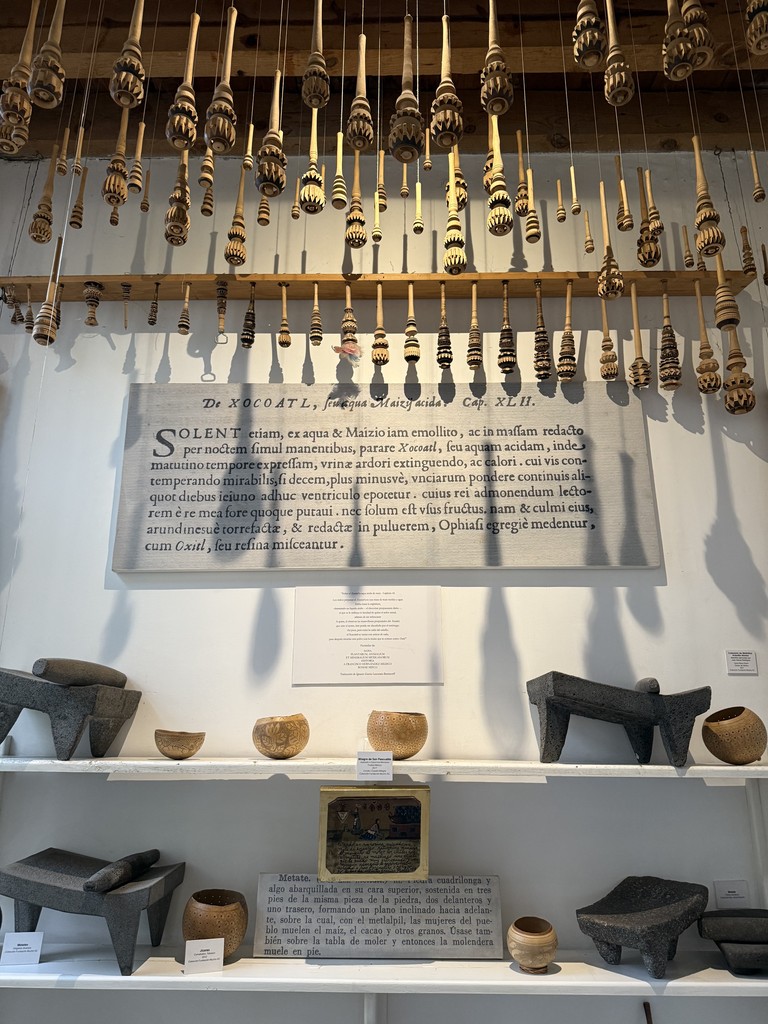
In pre-Hispanic Mexico the foam went to the most honoured guest at the table: the more foam you were given, the more you mattered. We kept the Oaxacan method and froze the bubbles in liquid nitrogen, so they break cold in the mouth.
And then the rosita de cacao, on its own, mixed with nothing. Infused in milk and built into an ice cream made deliberately fat — milk, cream cheese, whipped air. Fat melts slower than anything else on the spoon, so the flavour stays after the plate is gone.




/
04
(03)
How it arrives
We had the flavours. What we still didn't have was the moment. A dining room in Amsterdam, full of people from everywhere, most of whom had never held a cacao pod.
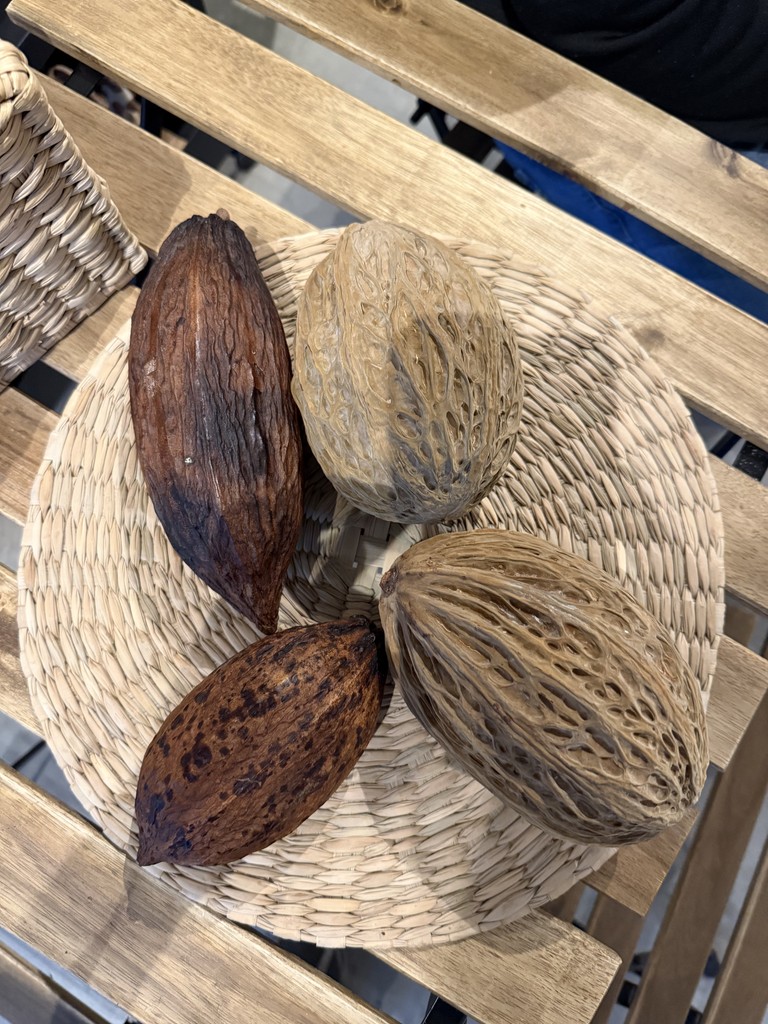
So the dessert arrives closed. One whole pod on a plate, and before anyone tastes anything, they touch it. Inside, the shell is filled with chocolate mousse made minutes earlier, for them. Above it, white chocolate infused with corn, cast from the fruit's own seeds, with sponge and cubes of cacao vinegar jelly to cut the sweetness.
Then a frozen volcanic mortar reaches the table, full of cacao foam, and it is spooned over the plate in front of you. The foam carries a little heat — enough to take you somewhere else for a second. Beside it, the rosita de cacao ice cream, petals laid out like a flower.
One plant. Five states. Two outsiders. One course.
Where the plate ends, and the memory starts.


Latest Projects.
More of what we have made.

